



Ground Source Heat Pumps
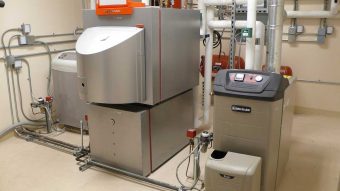
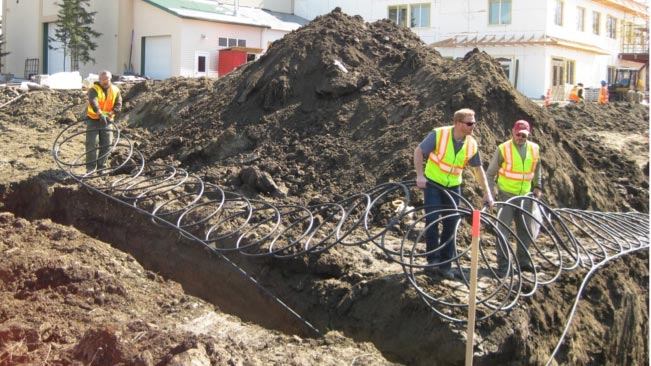
Ground source heat pumps take heat from the ground and use electricity to “step up” the heat to a temperature that can be used for space heating. While they are most efficient in warmer ground, they are becoming more effective and more popular in cold climates like Interior Alaska.
Significant amounts of heat can be found in the ground, bodies of water, and even air. Heat pumps use electricity to move heat from these sources to the inside of a building. It’s similar to the way your refrigerator works – a compressor pump moves heat from the inside of the refrigerator to the outside through the use of special heat transfer fluid, which collects and releases energy by changing phase from liquid to gas and back to liquid.
Heat pumps can be very efficient because they do not have to generate heat; they only have to move heat. Furthermore, heat pumps can move more energy than they consume, which results in very low operating costs.
Heat pumps in the Lower 48 are often air-source systems. An air-source heat pump is essentially an air conditioner whose cycle has been reversed to move heat into a house instead of out of it. Heat pumps can also use ground or water heat sources to produce many times the amount of useful heat than the equivalent amount of energy they use to operate.
Nevertheless, care must be taken not to deplete thermal sources over time.
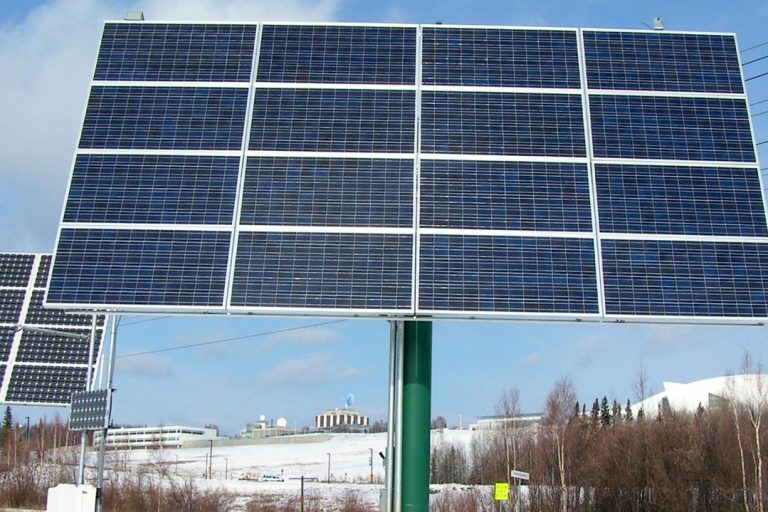
CCHRC is researching the use of heat pumps in Alaska, including the possibility of “recharging” ground-source systems in the summer using solar technology and other ways of storing heat seasonally.
Related Resources
Related Projects

Ground Source Heat Pumps in Cold Climates
Ground Source Heat Pumps Ground Source Heat Pump Demonstration at CCHRC CCHRC installed a…
Energy
Air Source Heat Pumps
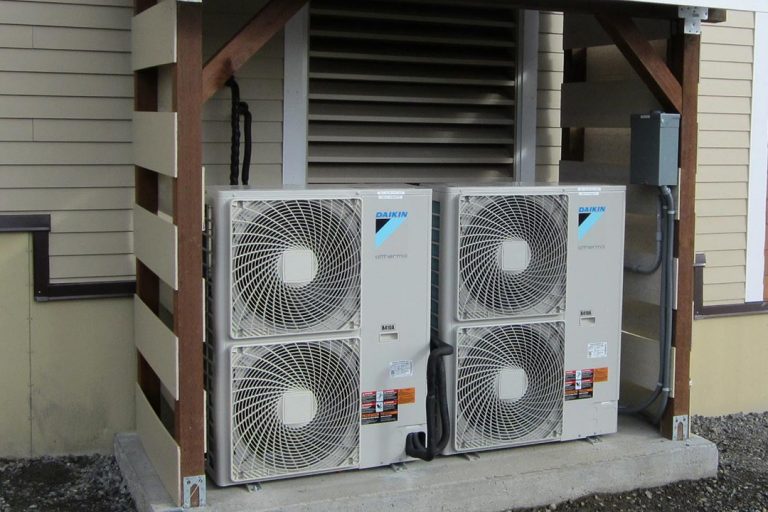
Air Source Heat Pumps Air source heat pumps have traditionally been used in warmer…


Energy Overview
Energy Overview Have you heard the saying about putting a drain plug in the…

Ground Source Heat Pumps
Ground Source Heat Pumps Ground source heat pumps take heat from the ground and…

Thermal Storage
Thermal Storage Thermal storage refers to technologies that store heat for later use. It…